SAVANNAH BROOKS
WRITER
Savannah Brooks earned her MFA in creative writing from Hamline University and her BS in marketing management from Virginia Tech. She spent the first decade of her career working in publishing, first as an editor and then as a literary agent, as well as on multiple literary magazines; after contracting a debilitating illness, she left the field to focus on teaching and does so through the Loft Literary Center in Minneapolis and the Flatiron Writing Room and Great Smokies Writing Program in Asheville. Previously, she taught at Hamline and the University of Minnesota, and she’s presented on both craft and publishing at more than two dozen writing conferences.
Primarily a short-form writer, her latest short stories are featured in Prime Number Magazine, New Plains Review, and Inscape; her latest essays in the Guardian, Hobart, and Barely South Review; and her latest book reviews in the Juice, Oyster River Pages, and the Hong Kong Review (let's just ignore that one poem lingering out there). She's been nominated for a Best of the Net Award, was a runner-up in a horror short story contest, and is continually putting together at least one short story collection (these things do tend to run away with her).
Currently a Big Sister (Big Brothers Big Sisters) Guardian ad Litem (North Carolina Judiciary Branch), and reading tutor (Literacy Together), Savannah has volunteered in child advocacy, welfare, and education since she was in high school. A disabled writer living with the most literal of broken hearts (and stomachs), she resides in the Blue Ridge Mountains of Asheville, North Carolina, with her two black cats, Eggs Benedict and Toaster Strudel, and her fifty-plus houseplants (she's clearly coping well).
PUBLICATIONS
-
Book review, The Juice, fall 2025. Read it here.
-
Book review, Oyster River Pages, September 2025. Read it here.
-
Short story, Prime Number Magazine vol. 277, September 2025. Read it here.
Selected by guest short fiction editor Rhonda Browning White, winner of the 2019 Press 53 Award for Short Fiction.
-
Short story, New Plains Review, August 2025. Print only.
-
Book review, Bridge Eight Press, July 2025. Read it here.
-
Book review, Hong Kong Review, June 2025. Read it here.
-
Comic essay, The Guardian, Oct 2022. Read it here.
-
-
Essay, Hobart, July 2018. Read it here.
-
Flash fiction, Inscape vol. 42, October 2017. Print only.
-
Essay, Lime Hawk vol. 11, May 2017. Read it here.
Nominated for a 2017 Best of the Net Award.
-
Short story, Every Writer’s Resource, September 2016. Read it here.
Finalist for the 2016 Horror Short Story Writing Contest.
-
Poem, On the Veranda vol. 1.9, June 2016. Read it here.
Write with me!Upcoming Classes
-
Writing By Genre for Ages 15 to 18
Online | Loft Literary Center
Love writing across genres? Or want a nudge outside of your writing comfort zone? Over six weeks, we'll jump into the major genres of fiction writing—sci-fi, fantasy, mystery, horror, romance, historical—using mentor texts to guide our own writing. We'll learn about tropes, practice writing classic genre moments, and generate a short piece of work each week, which the instructor will give feedback on. All writings can be found online; links will be provided.
-
Getting Published: Landing Your Work at Literary Magazines, Traditional Houses, and Everything in Between
In Person | Great Smokies Writing Program
Breaking down the publishing landscape into three sectors, this course focuses on the logistics, best approaches, and necessary materials for landing your work at literary and entertainment magazines, independent and university presses, and traditional and hybrid publishers. Students should arrive to class with three different materials prepared: (1) a polished draft of a short-form piece (poem, short story, essay), (2) an idea of a nonfiction short-form piece to be pitched (you don’t have to be a CNF writer, you just need an idea), and (3) the first page of a long-form piece (this includes the first page of a collection). Each student will leave with drafts of cover letters, short-form pitches, query letters, and long-form proposals (including author bios) that can be used as templates going forward.
-
Writing Book Reviews
Online | Loft Literary Center
There are two primary forms of book review, and in this session, we'll study and practice writing both! Short-term book reviews focus on distilling down the reading, making it bite-sized; long-form book reviews focus on expanding the reading out into other topics: current events, another book, history, etc.
We'll study these forms, looking at their logistics and possible publications as well as aspects of craft and generating, writing, and getting feedback on that writing.
-
You've Finished Your Book—Now What?
Online | Loft Literary Center
The publishing process can be confusing and intimidating, but it doesn't have to be. Each published writer goes through the same process; somewhere along the way, they just asked for help. That's what this class aims to do: help you take the next step with your manuscript with confidence.
The day will start with an overview of the publishing process and how to find an agent, along with a discussion on what makes a query letter successful. We'll get into the weeds, talking about everything you should be sure to cover (or avoid).
We'll break for food. When we come back, we'll talk about what makes a first page successful—you'll have time to work on yours—and discuss what happens after you land an agent. We'll end the day with a Q&A.
-
Your First Page
In-Person | Flatiron Writers Room
This single session will focus on the first page of a student's work, whether it be long-form (novels, memoirs, etc.) or short-form (short story, essay, etc.). Using three different best-selling works as mentor texts, we'll study how to incorporate tension, motivation, and voice into your work. Students will have the opportunity to share and receive feedback on their work from fellow students.
AGENTING WORKBooks Represented
-
![]()
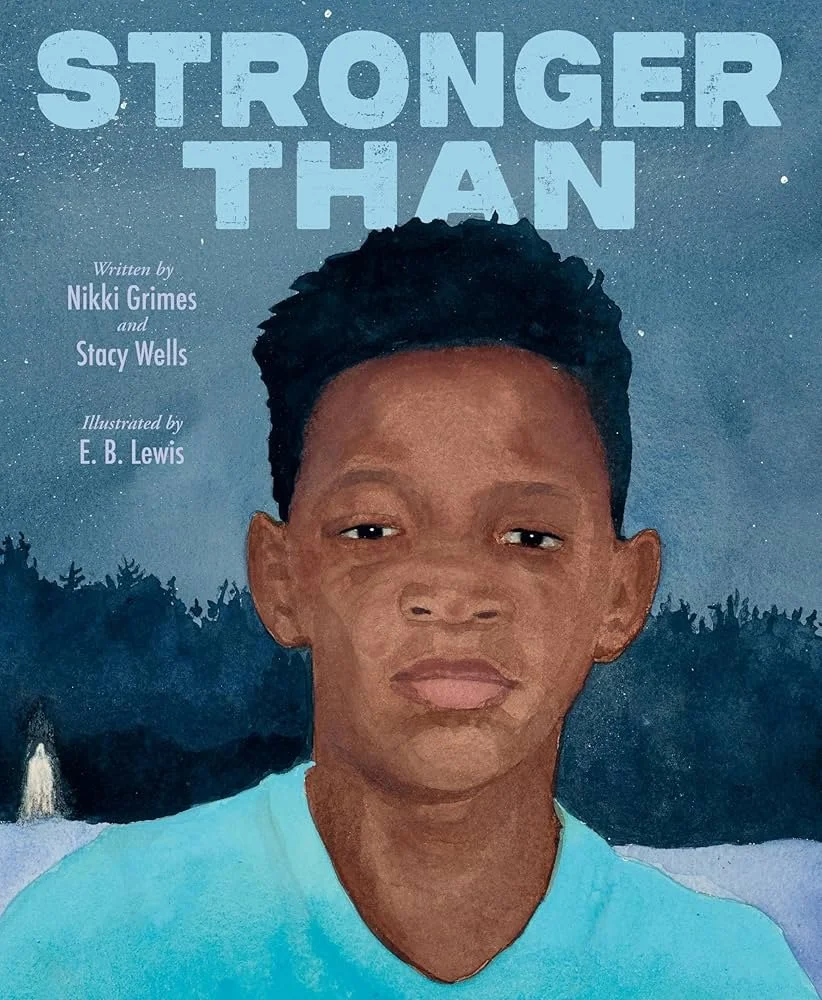
STRONGER THEN
Stacy Wells & Nikki Grimes
-
![]()
THESE DEATHLESS SHORES (US)
P.H. Low
-
![]()
THESE DEATHLESS SHORES (UK)
P.H. Low
-
![]()
SATURDAY MORNING AT THE 'SHOP
Keenan Jones
-
![]()
TIC-TAC-TOE CHICKEN
Kimberly Tso
-
![]()
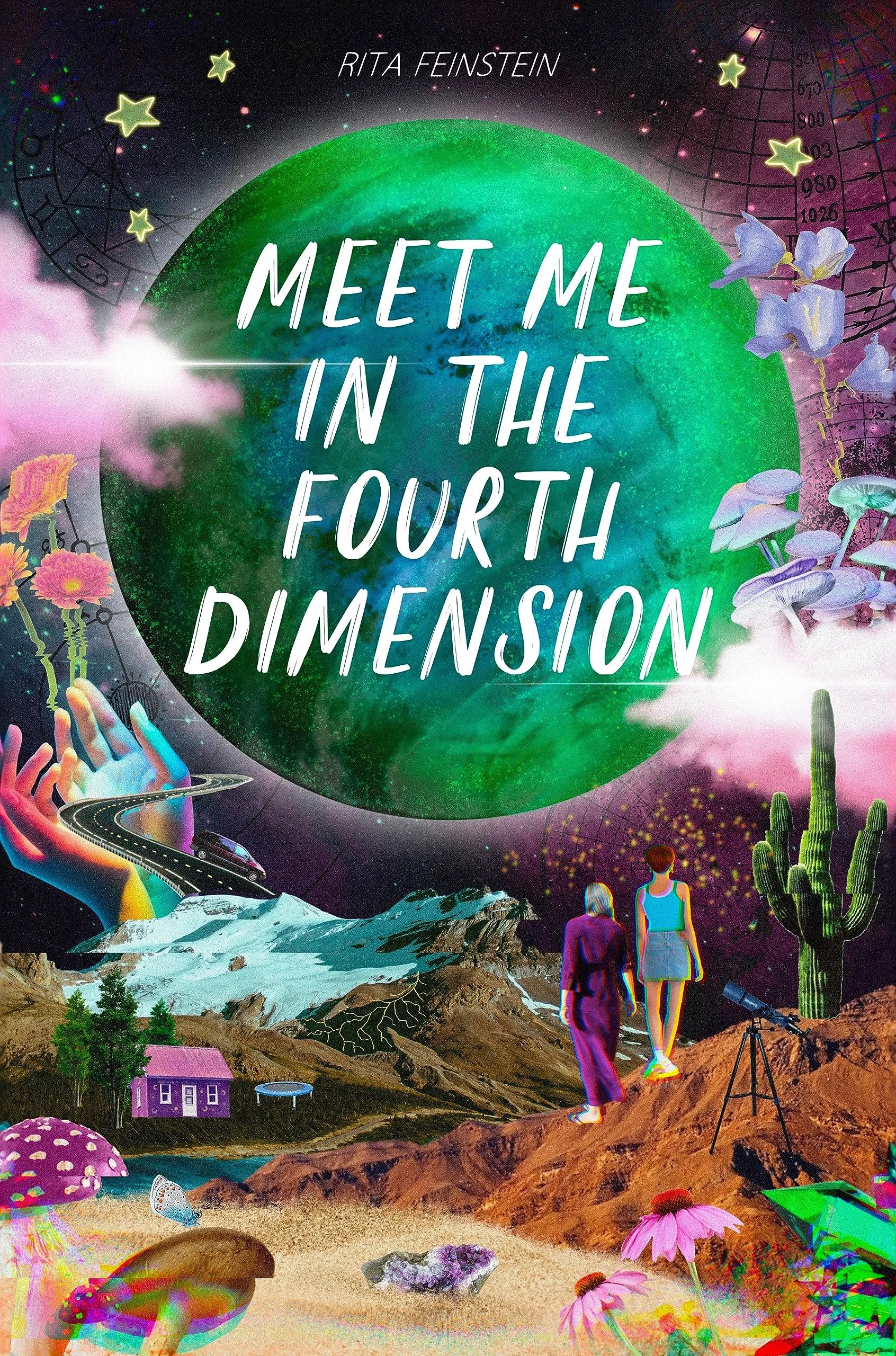
MEET ME IN THE FOURTH DIMENSION
Rita Feinstein
-
![]()
LOOKING FOR HAPPY
Ty Chapman
-
![]()
THE DEPARTMENT
Jacqueline Faber
-
![]()
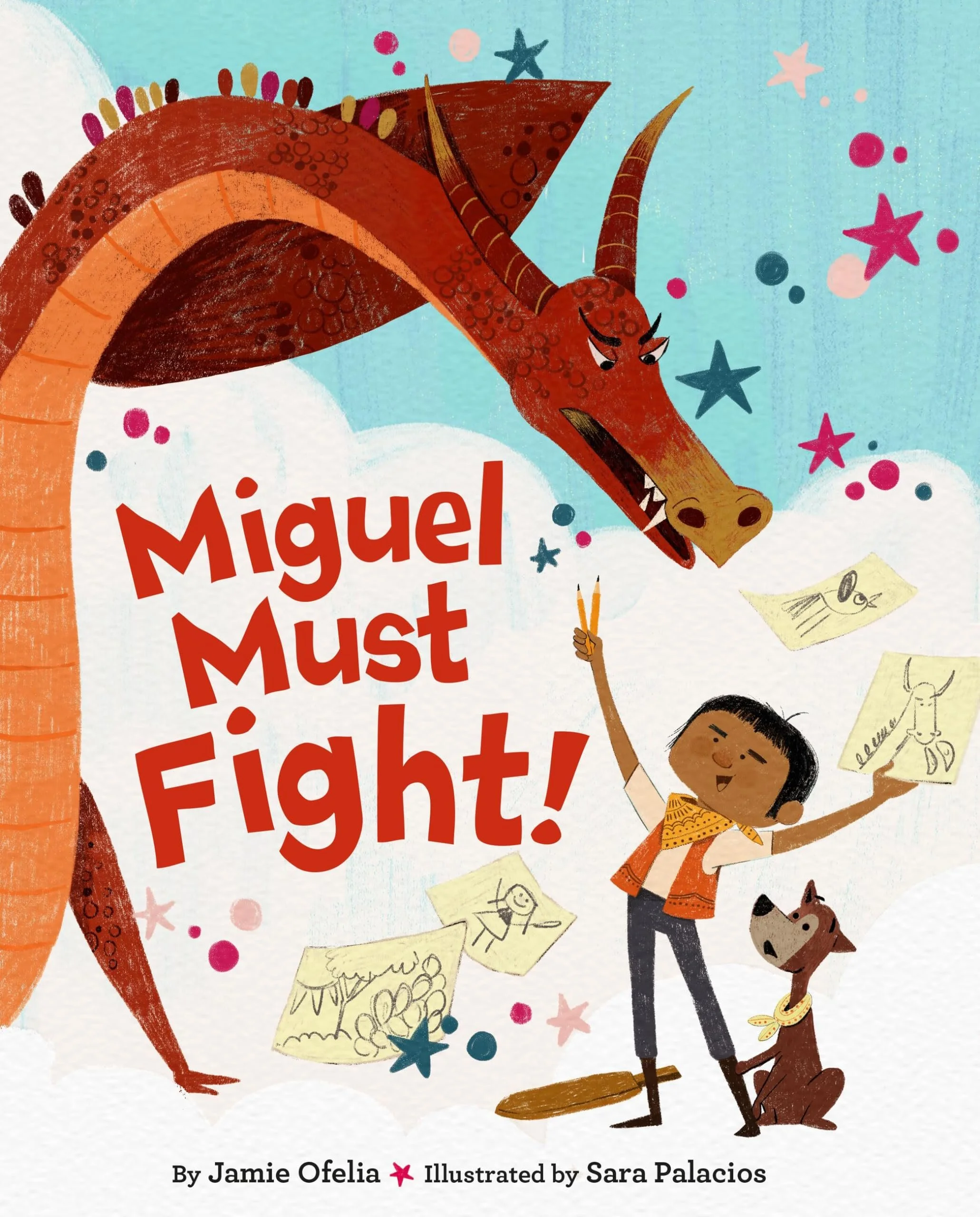
MIGUEL MUST FIGHT!
Jamie Ofelia
-
![]()
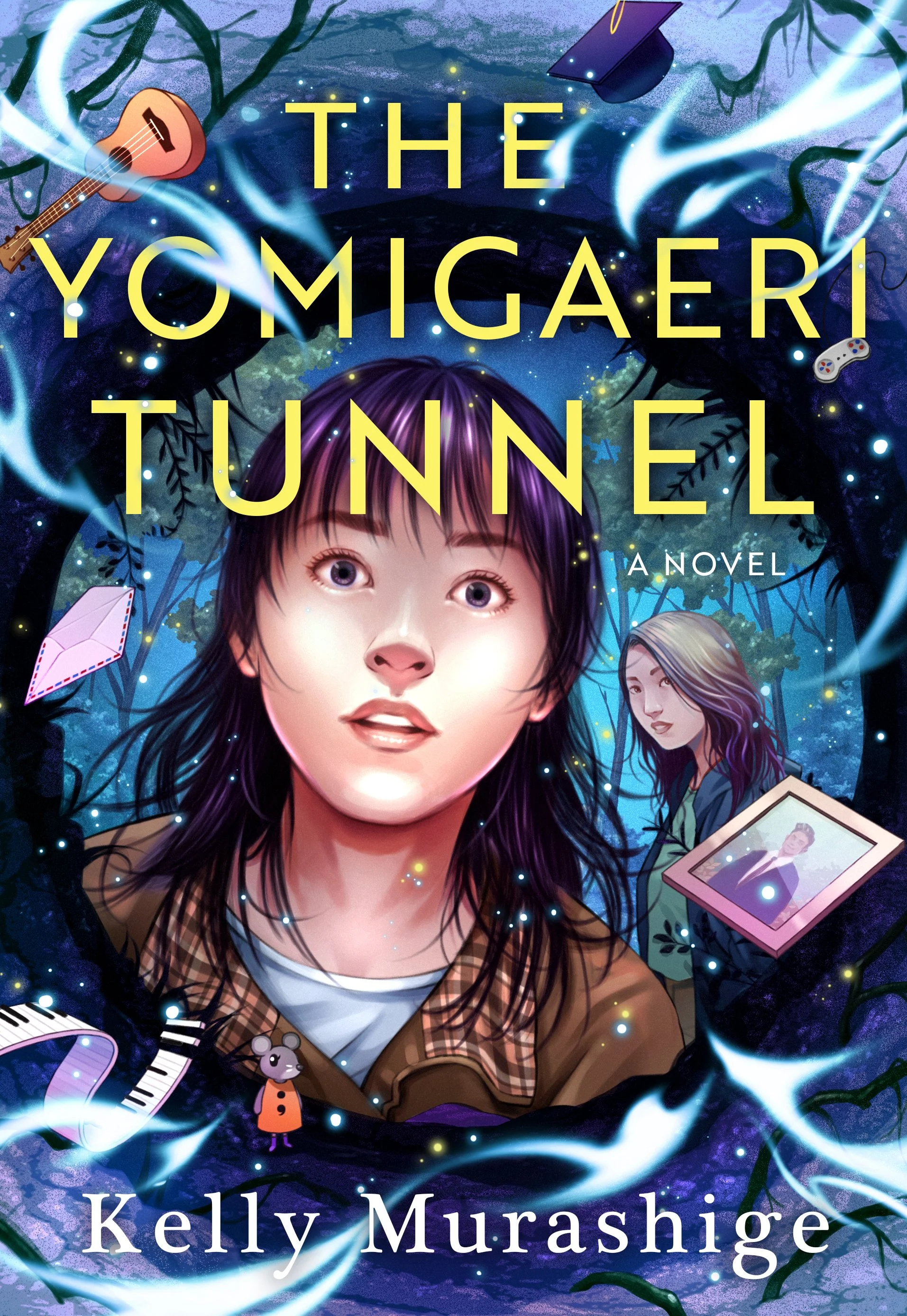
THE YOMIGAERI TUNNEL
Kelly Murashige
-
![]()
STOKES: THE BRIEF CAREER OF THE NBA'S FIRST BLACK SUPERSTAR
Ty Chapman & John Coy
-
![]()
THE LOST SOULS OF BENZAITEN
Kelly Murashige
-
![]()
MOVING AND GROOVING TO FILLMORE'S BEAT
Rachel Werner
-
![]()
THEN, AGAIN
Jaclyn Youhana Garver
-
![]()
THE GLAM WORLD TOUR
Rachel Werner
-
![]()
ALL THE TRUTH I CAN STAND
Mason Stokes
-
![]()
SARAH RISING
Ty Chapman
-
![]()
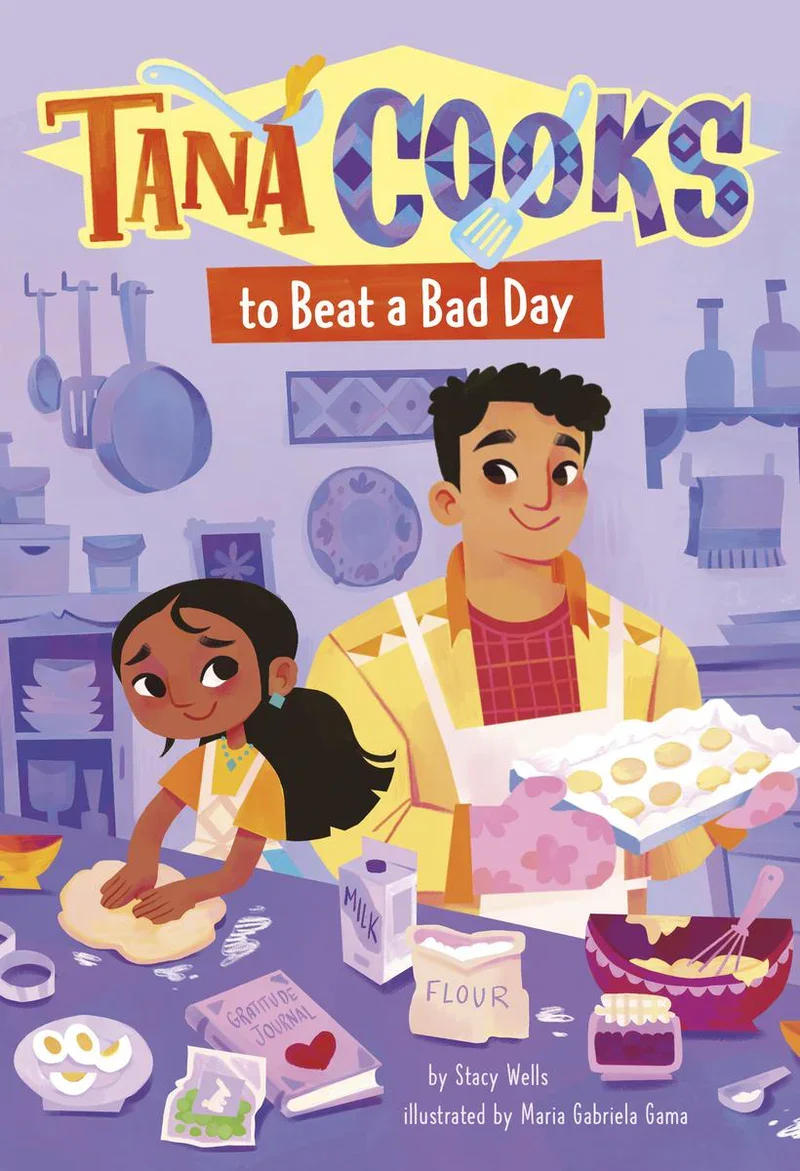
TANA COOKS TO BEAT A BAD DAY
Stacy Wells
-
![]()
TANA COOKS TO FACE HER FEAR
Stacy Wells
-
![]()
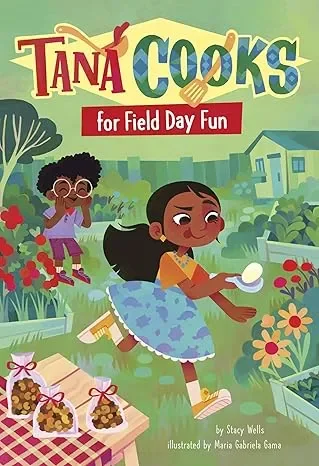
TANA COOKS FOR FIELD DAY FUN
Stacy Wells
-
![]()
TANA COOKS A SHOW-AND-TELL BRAINSTORM
Stacy Wells
-
![]()
EVERYONE LOVES CAREER DAY BUT ZIA
Jenny Liao
-
![]()
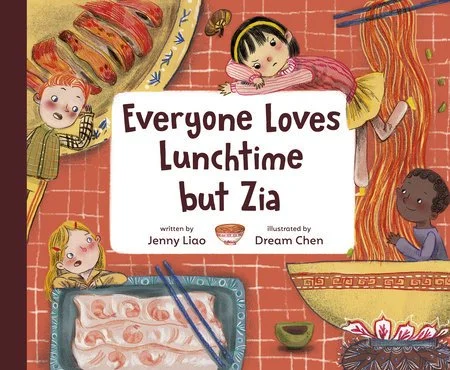
EVERYONE LOVES LUNCHTIME BUT ZIA
Jenny Liao
-
![]()
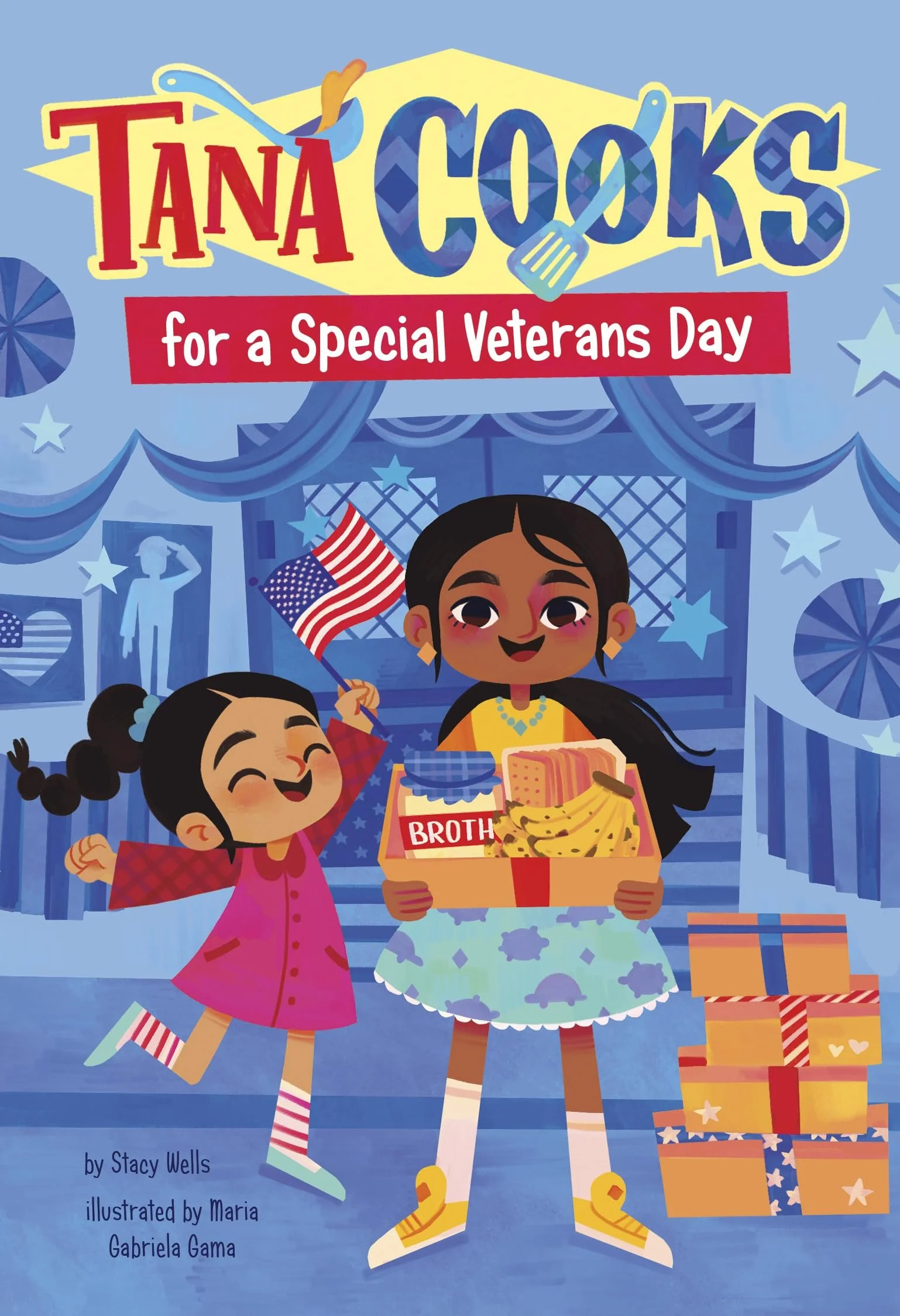
TANA COOKS: FOR A SPECIAL VETERANS DAY
Stacy Wells
-
![]()
TANA COOKS WITH CARE
Stacy Wells
-
![]()
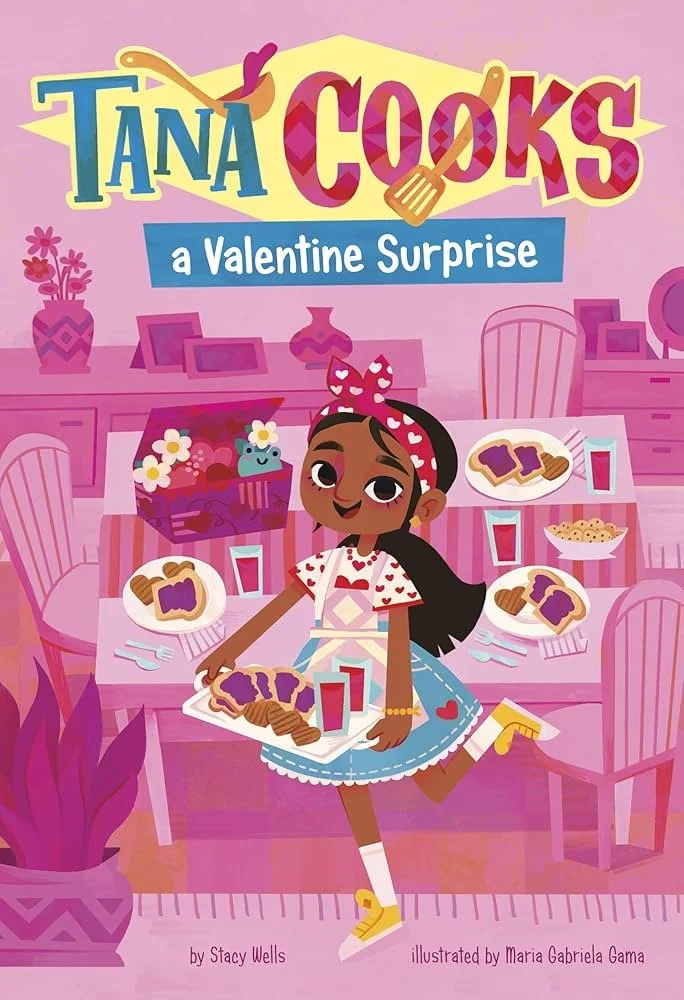
TANA COOKS: A VALENTINE SURPRISE
Stacy Wells
-
![]()
TANA COOKS TO SAY THANKS
Stacy Wells
-
![]()
JAMES FINDS THE BEAT
Ty Chapman